
Resilience & Sustainable Development



Maternal Mental Health
Maternal mental health plays a critical role in shaping early childhood development. A mother’s emotional well-being directly influences her ability to bond, nurture, and respond sensitively to her child’s needs. When mothers experience mental health challenges such as anxiety, depression, or high stress, it can affect their interactions with their child, potentially hindering the child’s emotional, cognitive, and social development. On the other hand, when maternal mental health is supported, children are more likely to grow up in a stable, loving environment that fosters healthy brain development, secure attachment, and positive long-term outcomes. Investing in maternal mental health is not only vital for mothers, it lays the foundation for the well-being and future success of their children.
Climate Adaptation & Resilient Infrastructure
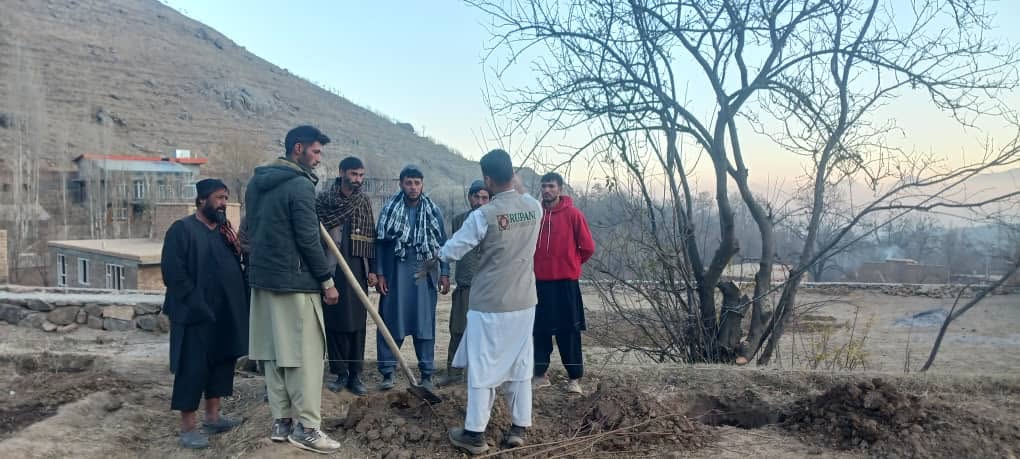
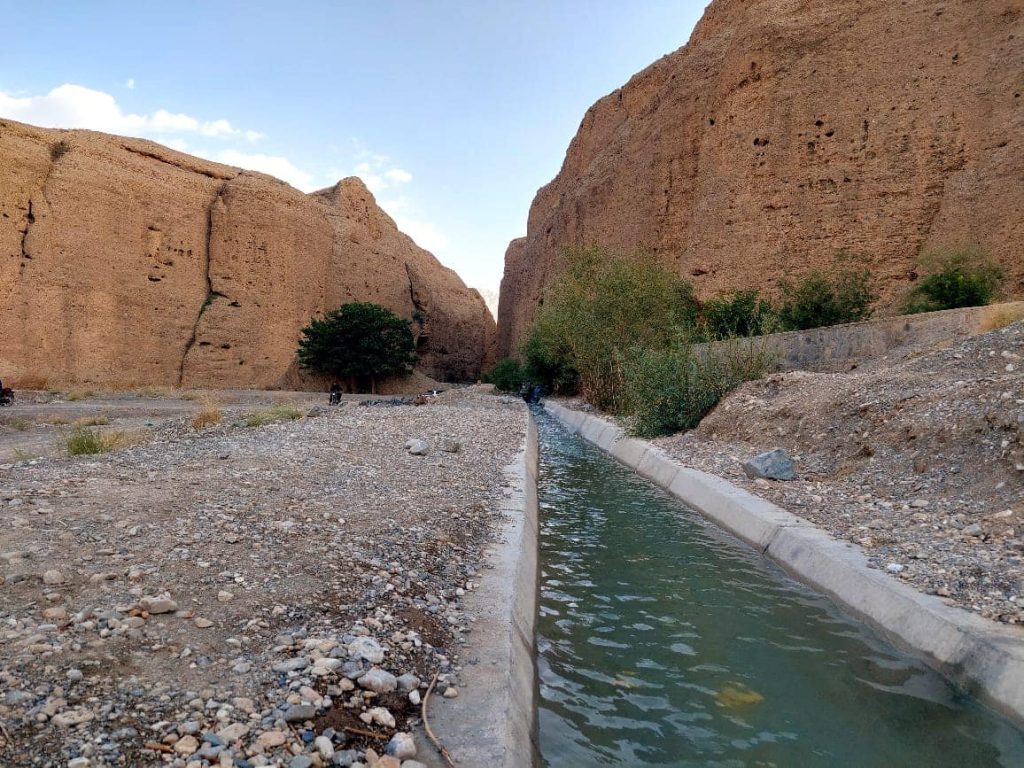
Across Kabul, Badakhshan, and Logar, RF's adaptation investments reduce exposure to climate hazards while improving water access, agricultural productivity, and physical connectivity. These measures directly strengthen community resilience and safeguard livelihoods in Afghanistan's most vulnerable areas.
322 km of irrigation canals constructed or rehabilitated, improving agricultural productivity and water security.
88 villages reached, benefiting 3,937 households and 27,559 people through enhanced access to land and water resources.
2,133 hectares of degraded land restored under irrigation and forestry cover, improving ecological balance and land use efficiency.
11,744 meters of flood protection walls constructed, reducing vulnerability to erosion and water related disasters.
2,062 hectares of land and 1,250 houses protected from floods and soil erosion, strengthening community safety.
142.5 km of farm roads built, improving connectivity.

Mental Health & Early Childhood Development
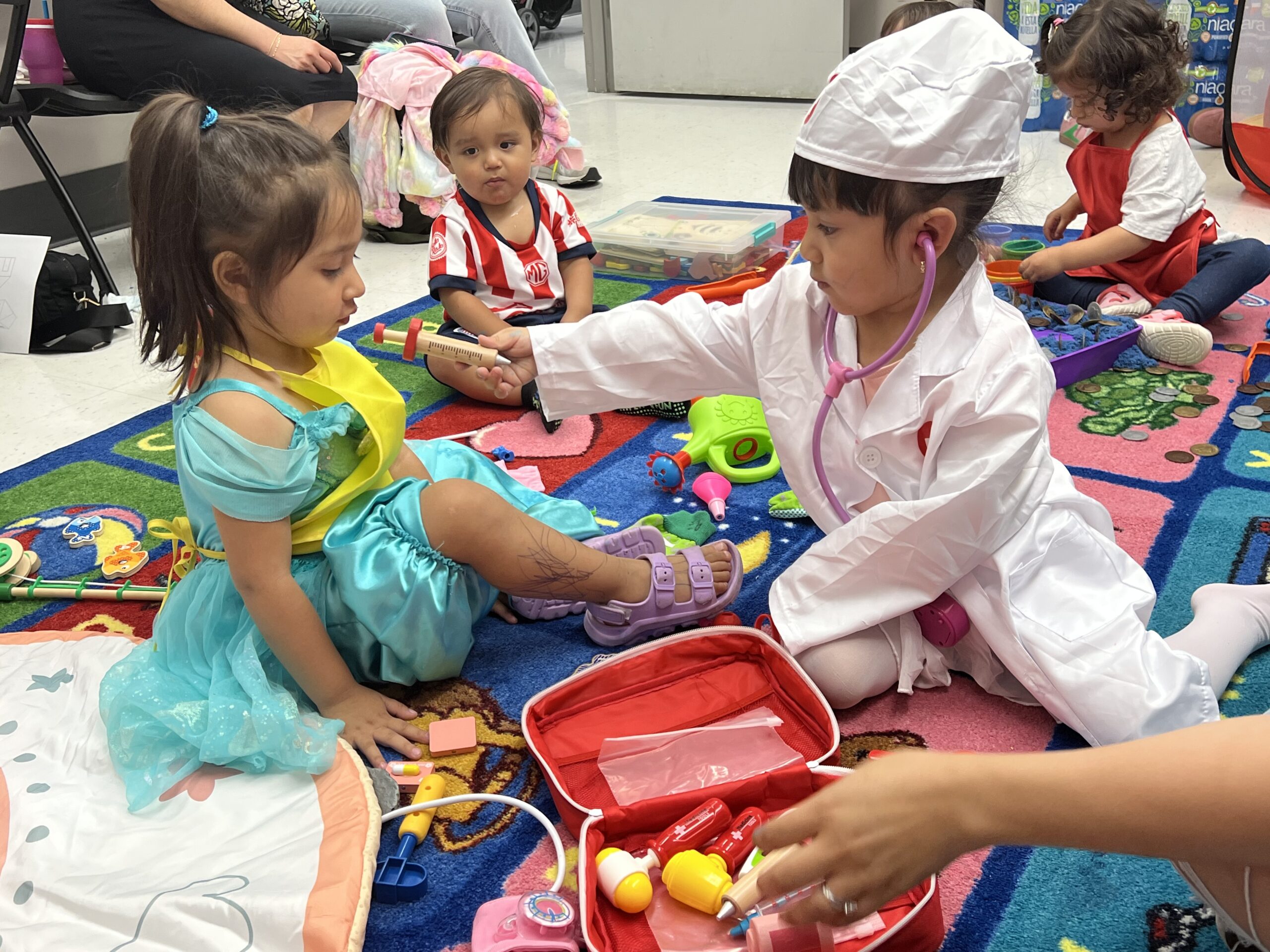
Trauma in early years can disrupt brain development and emotional regulation. Experiences like conflict, neglect, or displacement affect a child’s sense of safety. These disruptions can lead to challenges in learning, behavior, and relationships. Without timely support, negative effects may persist into later life. Trauma-informed care offers stability, nurturing, and responsive interactions. Early support helps children heal, build resilience, and reach their full potential.
Climate Resilience & Environmental Stewardship
Rupani Foundation Afghanistan (RF) leads an integrated climate resilience program that strengthens adaptation, mitigation, and climate-resilient livelihoods across Afghanistan’s most vulnerable contexts. The program addresses escalating risks from floods, droughts, land degradation, and water scarcity, with deliberate emphasis on women, youth, and marginalized households. Through a holistic, community-centered model, RF combines community
driven development, nature-based solutions, low carbon and climate resilient infrastructure, and climate-smart livelihood interventions. This integrated approach restores ecosystems, enhances adaptive capacity, reduces
vulnerability, and fosters inclusive green growth. Applying a territorial and systems-based framework, RF strategically connects
resilient infrastructure, ecosystem restoration, sustainable agriculture, and
diversified livelihoods. By strengthening local governance, advancing women’s leadership, and fostering community ownership, the program delivers sustainable, scalable, and locally anchored climate outcomes in high-risk settings.
The Green Badakhshan Initiative
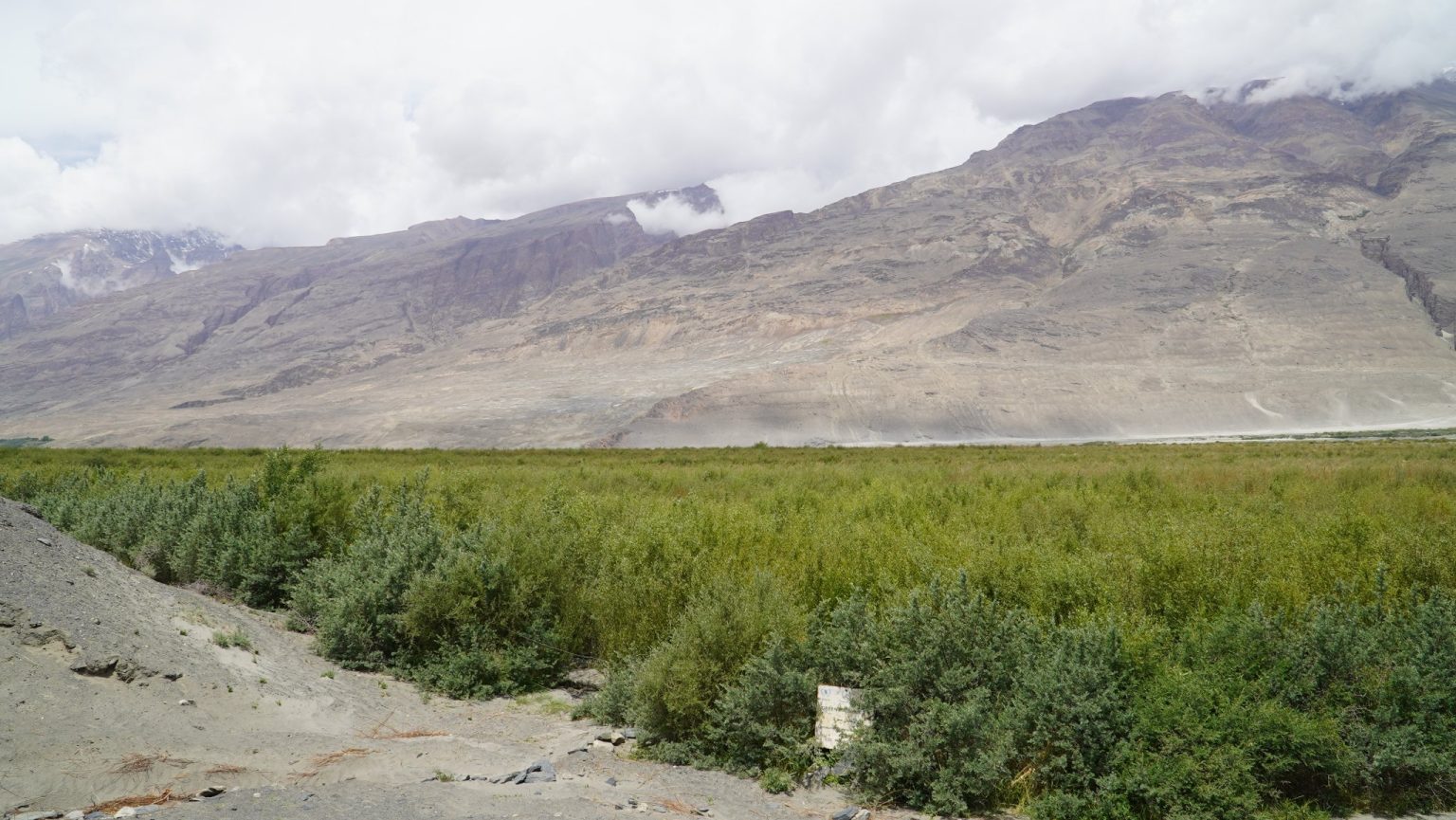
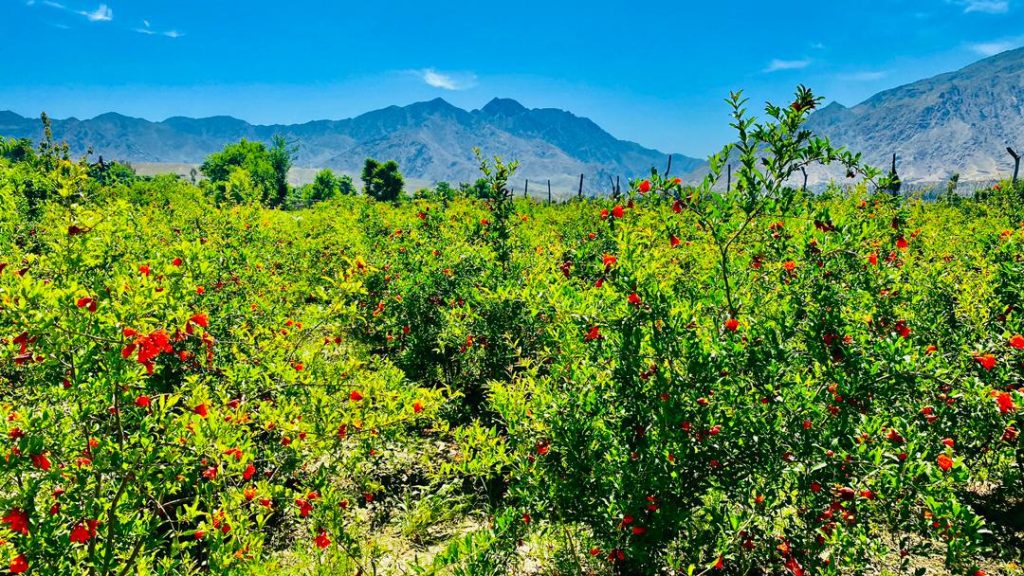
Launched in 2014 in partnership with the World Food Programme, the Green Badakhshan Initiative is RF Afghanistan’s flagship climate resilience program, built on the belief that lasting change begins with restoring the land communities depend on.
Large scale tree planting and community forestry work to reverse decades of land degradation and rebuild natural ecosystems. Rehabilitation of irrigation canals and flood protection infrastructure safeguards farmland and protects households from climate shocks. Climate smart agriculture and skills training help families build stable, resilient incomes beyond subsistence farming.
Communities don’t just participate, they lead. Local ownership is built into every stage, from planning to long term stewardship, ensuring impact that outlasts the program itself. Since 2014, the Green Badakhshan Initiative has become RF’s most replicable model, now informing climate resilience work across Kabul and Logar.
Climate Mitigation & Ecosystem Restoration
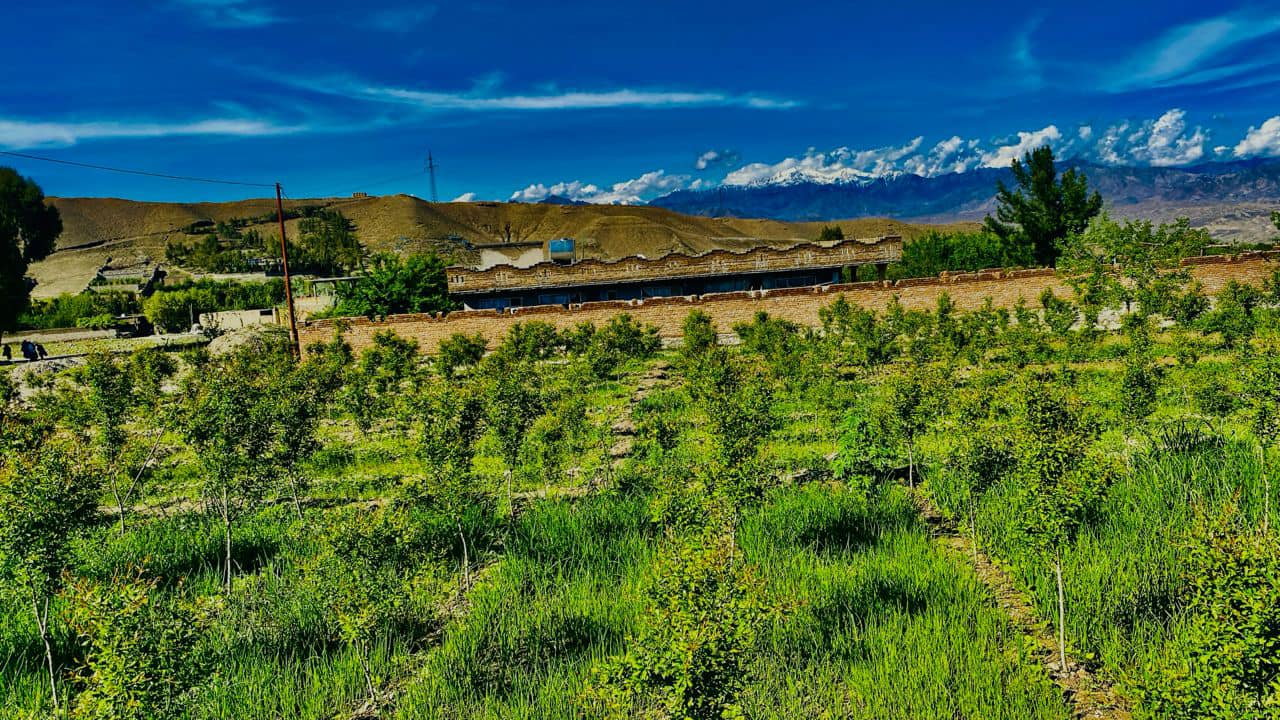
Our mitigation efforts prioritize ecosystem-based and low-carbon solutions that contribute to long-term environmental sustainability and climate resilience. Large-scale land restoration enhances carbon sequestration, strengthens watershed protection, and supportsbiodiversity recovery.
• 226 community forestswere established, reinforcing localgovernance of natural resources.
• Over 20 million non-fruit trees are planted across interventionareas, contributing to carbon capture and ecological stability.
• 6,044 women engagedin tree planting, resulting in 5 milliontrees established in remote and climate-stressed regions,advancing both environmental and social resilience.
Climate-Smart Agriculture & Livelihoods
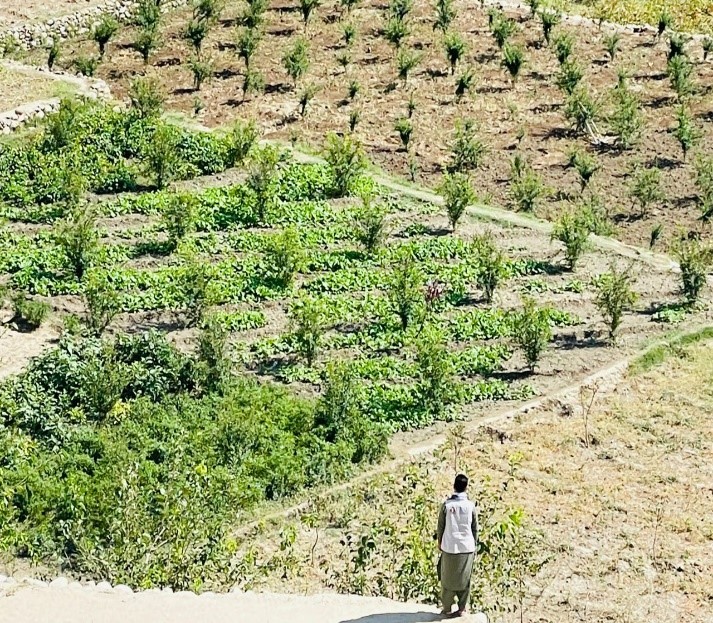
Our agricultural initiatives promote climate-smart practices that enhance productivity, diversify livelihoods, and reduce vulnerability to climate-related income shocks. By integrating crop diversification, mechanization, adaptive techniques, and post-harvest management, communities are better equipped to sustain food securityand market resilience.
• Cultivation of climate-resilient crops (red bean, flax seed, potato) on 17 hectares, strengthening adaptive farming systems.
• 217 households benefited, reducing reliance on climate-sensitive crops and improving income stability.
• Achieved an average yield of 1.3 tons per hectare, demonstrating improved productivity under diversified cultivation.
• Farmers trained in mulching techniques to conserve soil moisture and strengthen drought resilience.
• Introduction of drought-tolerant crops, enhancing adaptive capacity in climate stressed areas.
• Expansion of fruit and vegetable gardens to 3,700, improving household nutrition and income generation.
• 465,865 fruit trees planted and 2,470 trees grafted, supporting sustainable orchard development and long-term resilience.
• 12 cold storage facilities constructed (15–25 metric tons per unit), reducing post-harvest losses for fruit and vegetable producers.
• Improved market access and income stability for farming households through strengthened value chains.
Our Approach
By strengthening livelihoods and economic inclusion, RF Afghanistan creates long-term community resilience.

Expands enterprise and business opportunities

Strengthens household financial resilience

Promotes inclusive and ethical economic access
Water Security, Health & Nutrition
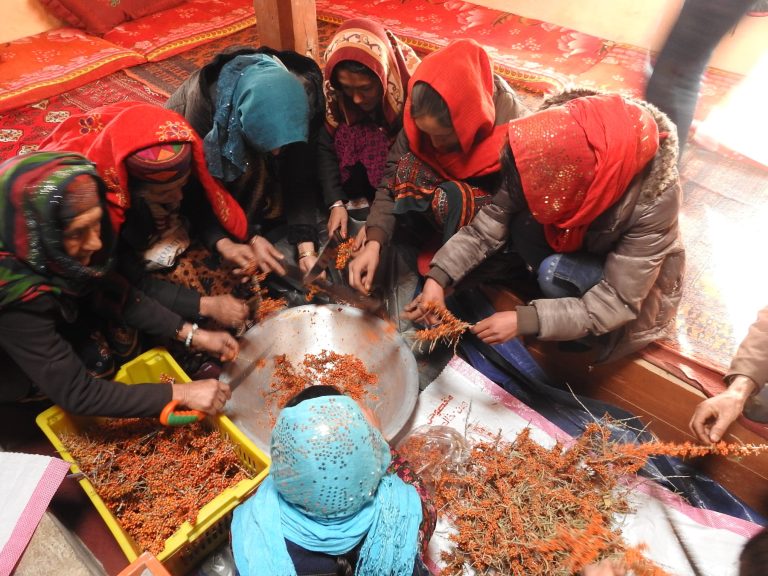
Access to clean water, basic health services, and adequate nutrition are not luxuries in Afghanistan, they are the foundation upon which resilient communities are built. In the climate vulnerable villages where RF works, these essentials are often the first casualties of floods, droughts, and environmental degradation. RF’s water security, health, and nutrition interventions directly address these gaps, ensuring that the communities most exposed to climate shocks are also the best equipped to survive them.
4,000+ people gained access to clean drinking water in climate vulnerable villages.
2,500 households received health and hygiene kits across 56 villages.
Community training conducted on health, hygiene, and nutrition, building long term behavioral change alongside physical infrastructure.
USD 0.8 million distributed to support health and hygiene improvements across program communities.
Gender Responsive Climate Action
Women are central to building climate resilience, serving as leaders, innovators, and agents of change within their communities. Targeted initiatives have expanded their participation in sustainable agriculture and climate smart livelihoods, ensuring both environmental and social impact.
500 women trained in dairy processing and poultry production, enhancing household nutrition and income opportunities.
320 vulnerable households supported with climate resilient livestock (Asmara goats), strengthening adaptive capacity and food security.
250 women provided with poultry packages and feed, improving household resilience and diversifying income sources.
3,700 women directly engaged in climate smart horticulture initiatives, contributing to sustainable food systems and community wide resilience.
Trauma-Informed Early Childhood Development at Rupani Foundation
Recognizes the impact of trauma
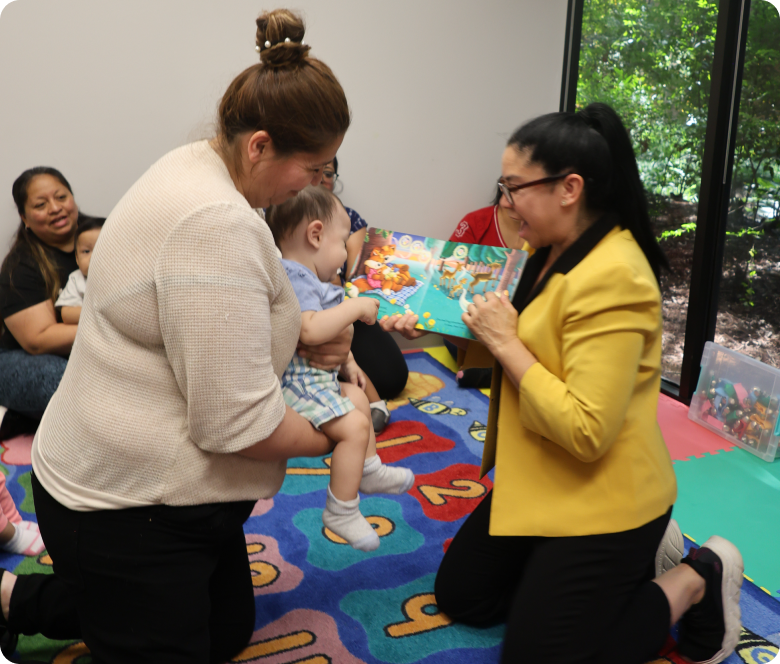
Our Informed Parenting sessions are designed with an understanding that many families, especially refugees and immigrants, have faced displacement, violence, or loss. We meet families where they are, with compassion and knowledge.
Creates nurturing environments
Both Informed Parenting and Brain Builders take place in trusted community spaces, often in families’ own apartment complexes, building a sense of safety and belonging essential for healing and growth.
Helping Children and Parents
Helps children build trust and begin healing Through weekly interactive activities between parents and children, our programs help strengthen secure attachments, laying the foundation for emotional well-being and resilience.
Supports both children, caregivers
We know that healing is relational. Our dual-focus approach supports parents through guided group discussions and one-on-one visits, while nurturing children’s development through play and connection.
Consistency, Empathy, Culture
Uses consistency, empathy, and cultural sensitivity Delivered by trained community health workers from within the community, our programs offer continuity, empathy, and culturally responsive care that respects each family’s journey.
Builds resilience and life skills
Through science-based practices in Brain Builders and hands-on learning in Informed Parenting, families gain the tools to manage stress, nurture emotional growth, and support long-term child development.

Strengthening Maternal Mental Health Support in Collaboration with Ibn Sina Foundation
Rupani Foundation prioritizes the mental well-being of mothers by offering free initial screenings for depression, anxiety, and other mental health concerns to all participants in its programs. Recognizing the critical link between maternal mental health and family well-being, the foundation has established a strong referral partnership with Ibn Sina Foundation, ensuring that mothers who need further support receive timely and compassionate mental health services. This integrated approach helps mothers access the care they need, fostering healthier families and stronger communities.
Maternal Mental Health & Early Childhood Development Task Forces
Rupani Foundation launched the Maternal Mental Health & Early Childhood Development Task Force to address critical gaps in care for mothers and children in underserved Texas communities. Recognizing the link between maternal well-being and early brain development, the Task Force unites experts and community leaders to identify barriers, co-create solutions, and drive systemic change. Its goal is to bridge services, amplify marginalized voices, and ensure every mother has the support to raise a thriving child.

Task Force 1
Recognizing the critical link between a mother’s mental well-being and a child’s early development, Rupani Foundation USA established the Maternal Mental Health & Early Childhood Development Task Force, a dedicated effort to address urgent gaps and create lasting solutions across Texas. Launched to address urgent maternal mental health gaps across Texas, Rupani Foundation’s Task Force marked Maternal Mental Health Day by presenting its first set of findings to four Senators and 22 House Representatives at the Capitol in Austin.
Key focus Areas



Improving access to maternal mental health care
Bridging service gaps in transportation, language access, childcare, and screenings
Improving access to maternal mental health care
Strengthening the early childhood interventions
Advocating for policy change and systems-level coordination
Who’s Involved
Our Task Force brings together
Community leaders
Early childhood development experts
Mental health Professionals
Healthcare providers
Testimonials
We’ve had the privilege of working with incredible clients worldwide. Their kind words reflect our dedication to quality, creativity, and timely delivery.
Role of Maternal Mental Health & Early Childhood Development Task Force
The Maternal Mental Health & Early Childhood Development Task Force at Rupani Foundation serves as a collaborative platform to:

Assess Gaps and Needs
Identify barriers to maternal mental health and early childhood services in underserved communities
Develop Community-Driven Solutions
Co-create practical, culturally responsive strategies grounded in real-world experiences.
Advocate for Systems Change
Inform policy, funding, and service delivery models to improve access, equity, and impact.
Promote Awareness and Education
Elevate public understanding of maternal mental health as essential to early development
Convene Stakeholders
Bring together healthcare providers, early childhood experts, community organizations, and policymakers to align efforts
Ultimately, the Task Force drives collaborative action to ensure mothers and young children in Texas have the support they need to thrive.